
Forklift Selection Guide
How to choose the right CHL forklift by capacity, aisle width, power type and mast height.
1. Clarify environment and workflow
Start with the operating environment: indoor warehouse, production floor, ramps, outdoor yard or cold storage. The same “2.5 ton” need can require very different machines and power types. Daily hours, number of shifts, charging or fueling access and operator experience also matter.
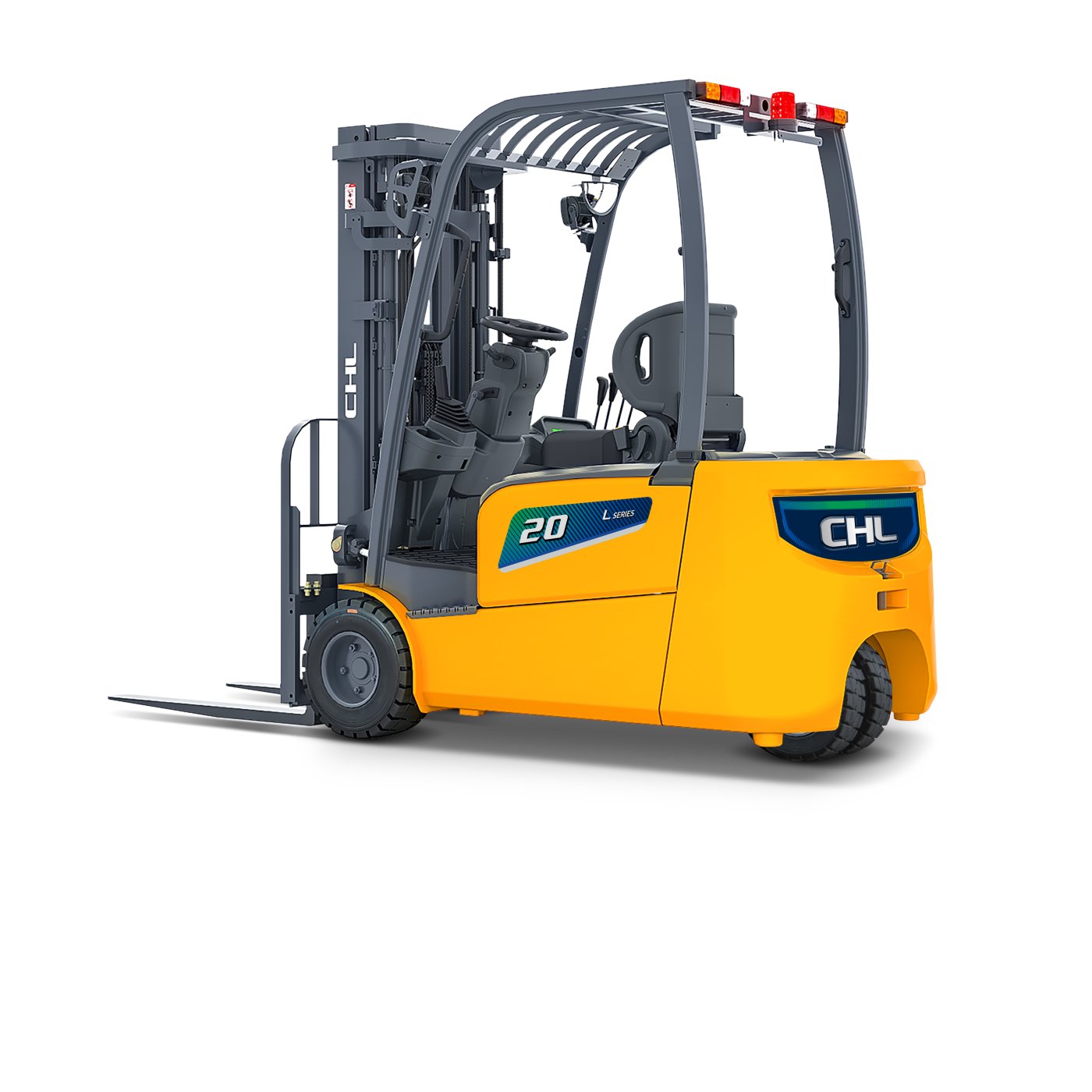
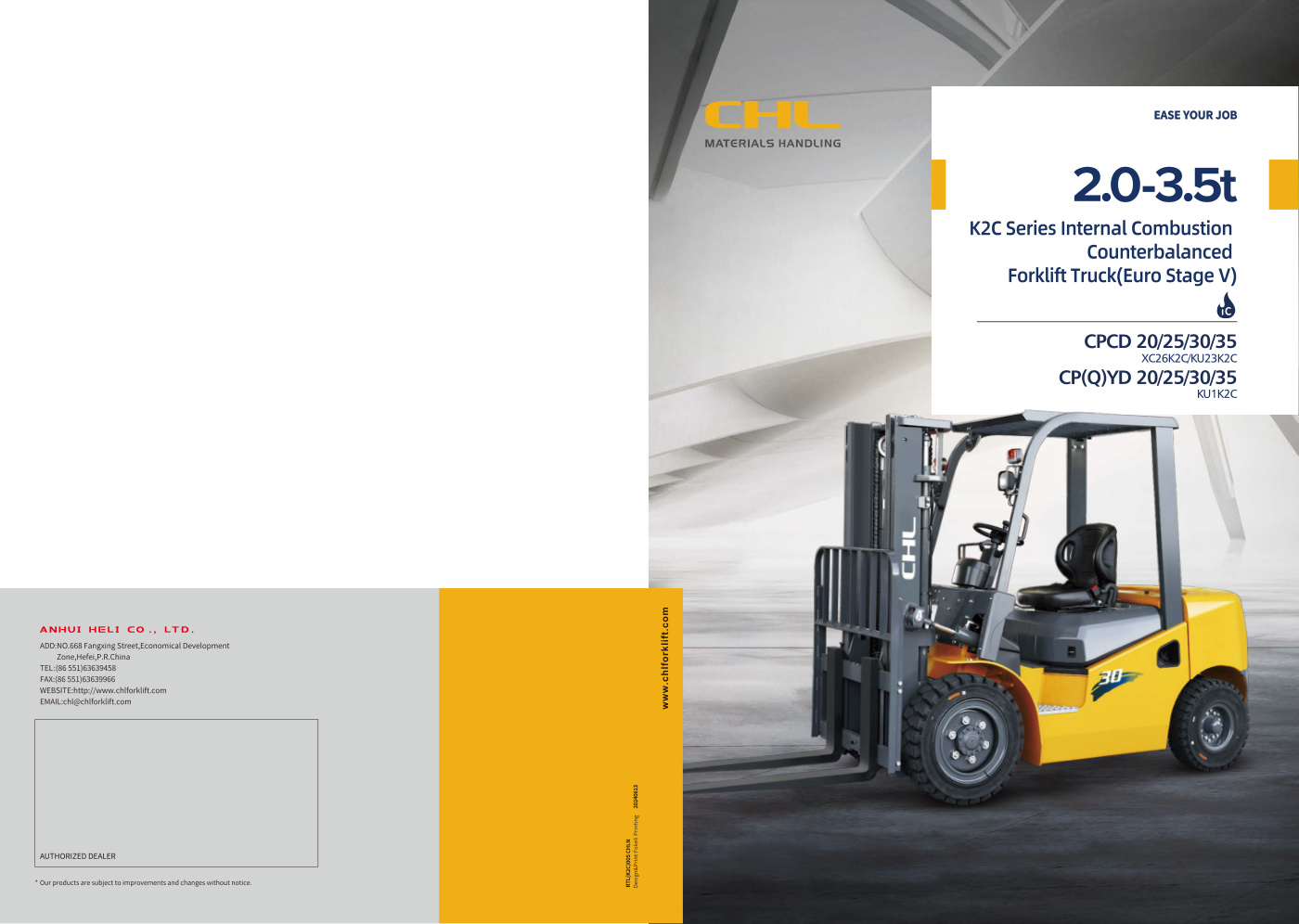
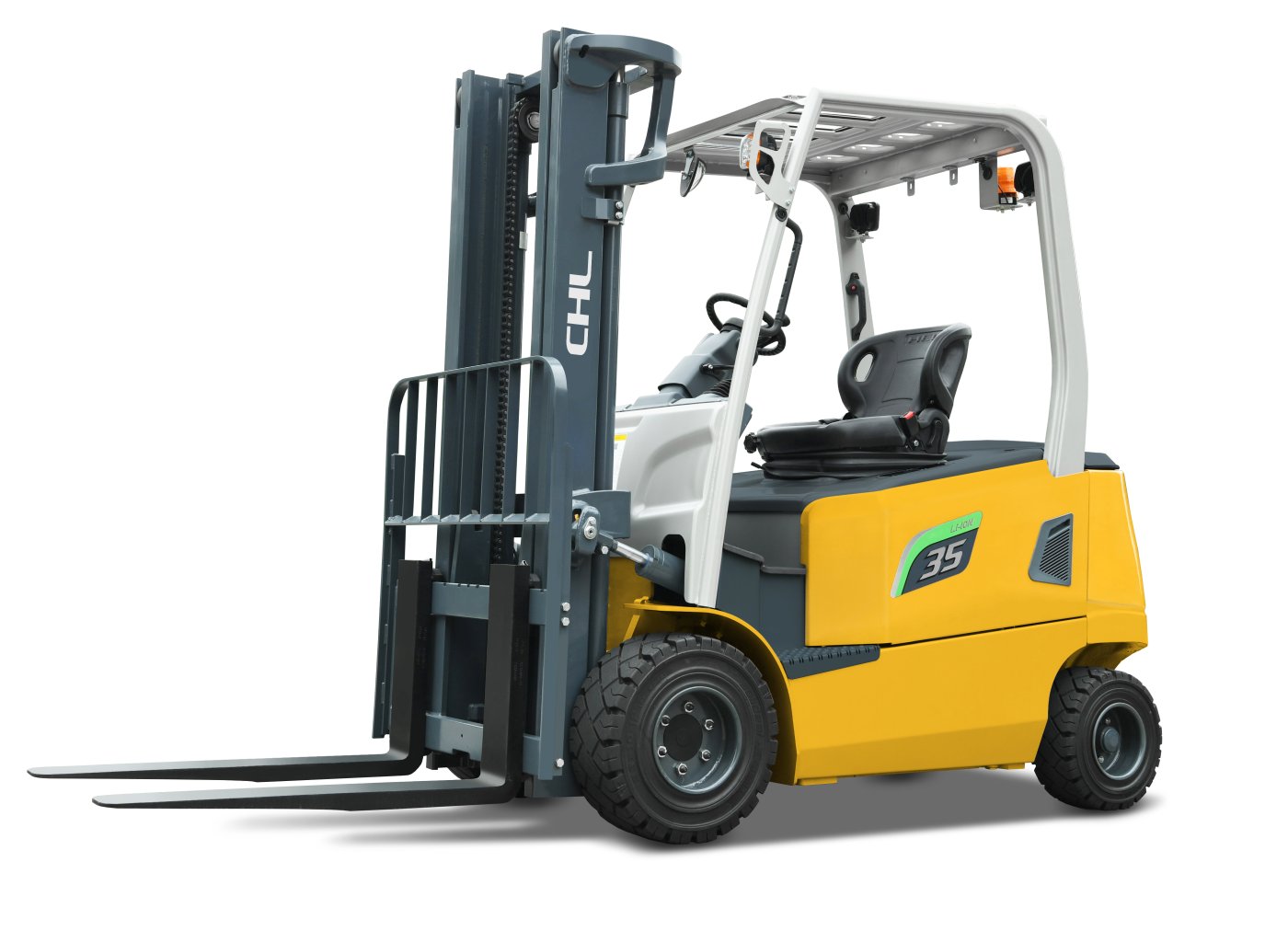
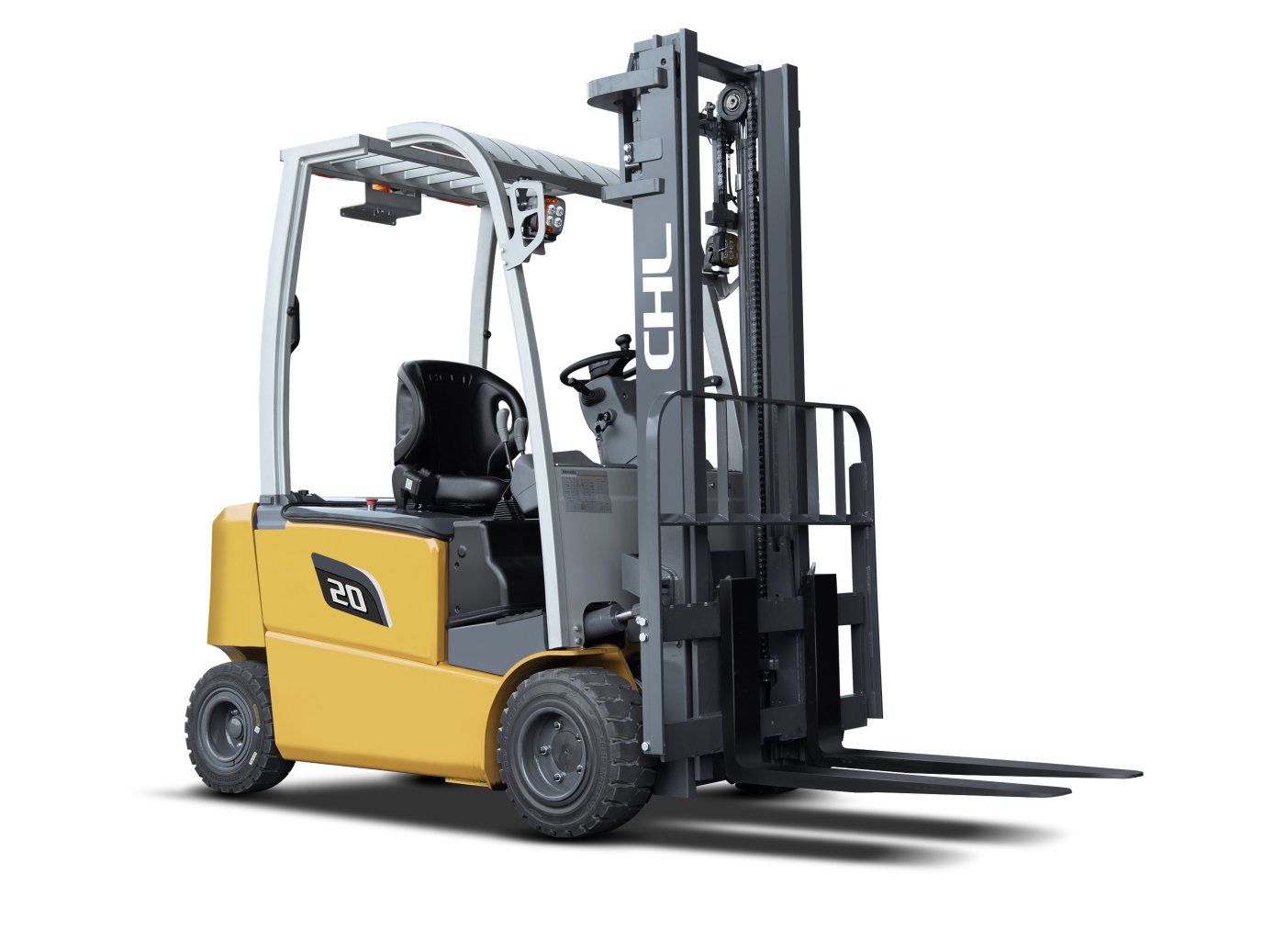
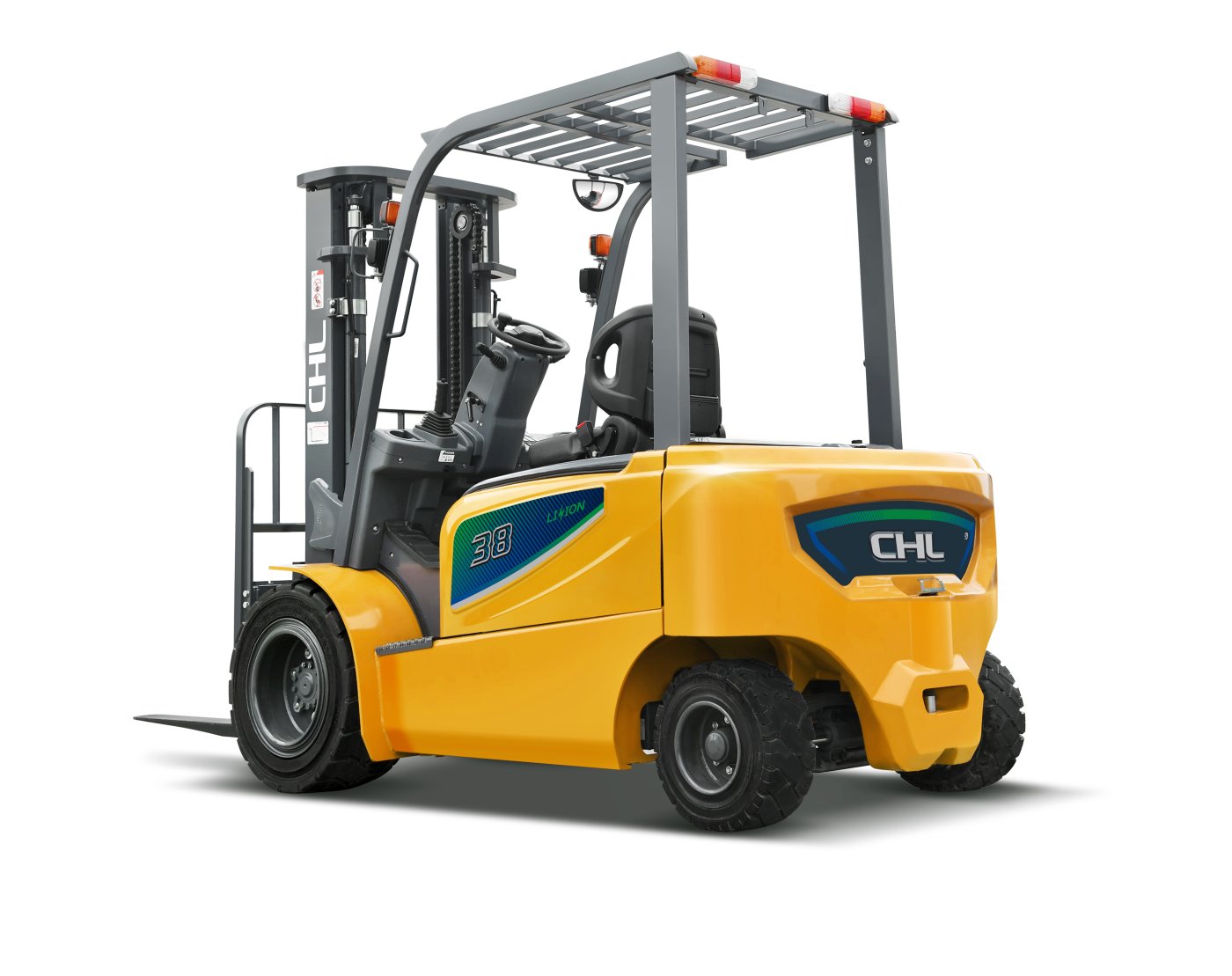
In the CHL catalog, electric counterbalance series (G3, H4, H2) and diesel series (K2C, R) map to these use cases. For mixed indoor/outdoor work, write down emission and noise limits first—searching for one machine that “does everything everywhere” is costly and often inadequate.
- Estimate indoor / outdoor / mixed share as percentages
- Note ramps, thresholds and floor type (flat concrete, rough, wet)
- Confirm shift count and whether night work applies
2. Capacity and load center
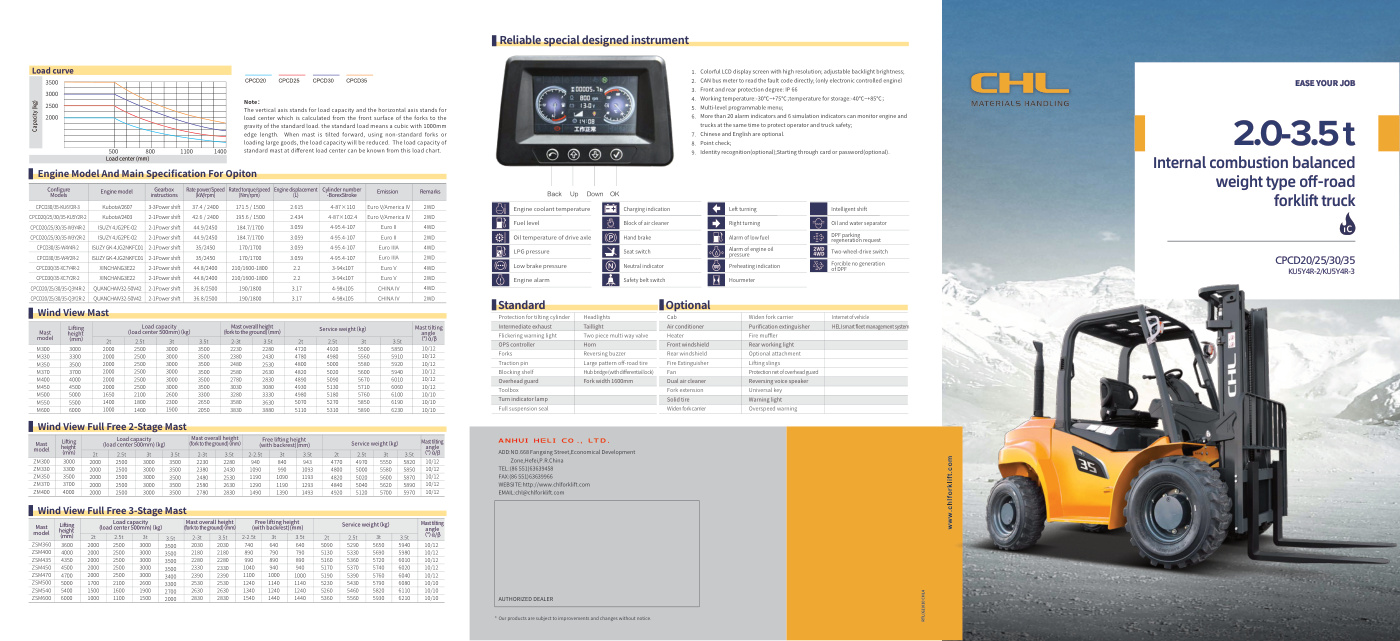
Rated capacity alone is not enough. Load center distance—often discussed in the 500–600 mm industry range—and attachments reduce real lifting capacity. Long loads, clamps or special forks mean a lower safe capacity than the nameplate suggests.
Each model column in the product specs table shows capacity separately; do not apply a family’s top line to every model. Measure your heaviest pallets and share the critical load at quote stage.
3. Aisle width and maneuverability
For narrow aisles, prefer compact or three-wheel electrics; for open yards, four-wheel and diesel/rough-terrain models. Turning radius, overall width and wheelbase decide whether your rack spacing feels tight or comfortable.
Do not treat aisle width as wall-to-wall only: pallet clearance, extra room for turns and one- versus two-way traffic also matter. Compare values model by model in the specs table.
4. Mast, free lift and height
Separate standard mast height from free-lift needs. Doorways, containers or low ceilings often make free lift critical. High-bay storage often favors reach trucks (G2) over counterbalance forklifts; floor transport, ramps and loading docks favor forklifts.
5. Power type: electric or diesel?
Indoor work with low emission and noise needs points to electric (G3, H4, H2). Long outdoor shifts, grades and rough ground favor diesel (K2C) or rough-terrain (R). See the Electric vs Diesel guide for trade-offs and Lithium vs Lead-Acid for battery chemistry.
6. Selection checklist
Clarify these points before a quote or side-by-side compare. Any missing item can lead to the wrong capacity or aisle assumption.
- Maximum load weight and load center (or load size)
- Required lift height and free lift
- Working aisle / maneuvering dimensions
- Power preference and charge / fuel infrastructure
- Attachment needs (fork length, clamp, etc.)
- Indoor / outdoor / cold-storage environment
7. Decision summary
Indoor + quiet operation → electric forklift. Heavy outdoor duty → diesel. Narrow aisle + high racks → reach truck. If unsure, compare models side by side or request a quote; read the brochure together with the specs table.